

Plastic injection moulding services play a central role in today’s manufacturing world, powering industries from automotive and medical devices to consumer electronics and household products.
Known for high efficiency, tight tolerances, and excellent repeatability, injection moulding remains one of the most reliable ways to produce plastic components at scale. Whether you are a startup developing a new product or an established company seeking cost-effective mass production, understanding how injection moulding services work is essential for making smart manufacturing decisions.
In this guide, we break down how the process works, the benefits, common applications, and what to expect when working with a professional injection moulding supplier.
What Are Plastic Injection Moulding Services?
Plastic injection moulding services involve the complete process of converting raw plastic material—typically thermoplastics—into finished parts using specialised machinery. The process includes:
Design & engineering
Mould fabrication (tooling)
Material selection
Injection moulding production
Quality inspection
Secondary processing or assembly
A high-quality injection moulding partner will guide you through each stage, ensuring the result is a consistent, durable, and cost-efficient product.
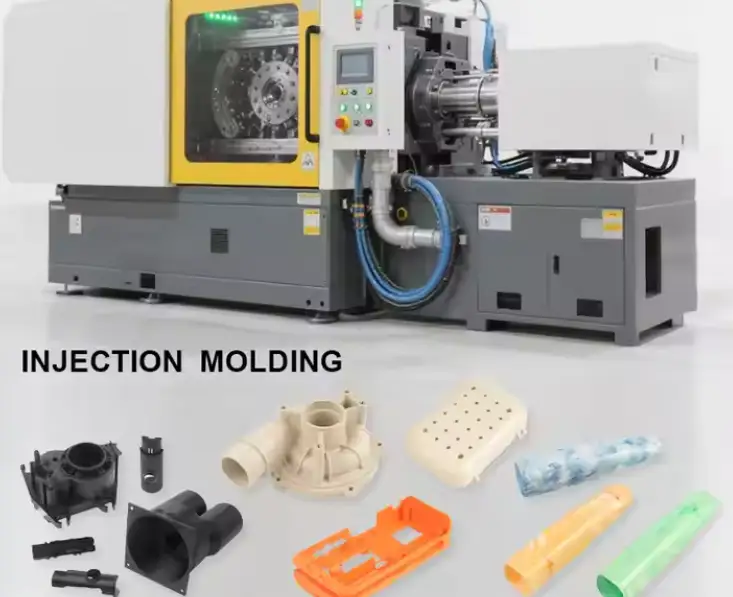
How the Injection Moulding Process Works
The injection moulding process is engineered for speed and precision. It typically follows these steps:
1. Part & Mould Design
Every successful moulded part begins with a precise design. Engineers evaluate key factors such as wall thickness, draft angles, ribs, and undercuts. The mould—usually made from hardened steel or aluminium—is then constructed to form the exact shape of the final part.
2. Material Preparation
Most injection moulding services use thermoplastics such as ABS, PP, PE, nylon, PC, and specialised engineering resins. Materials are dried, mixed, and colour-matched before moulding begins.
3. Melting & Injection
The plastic pellets are heated to a molten state and injected into the mould cavity at high pressure. Modern injection moulding machines precisely control temperature, pressure, and filling speed to maintain part consistency.
4. Cooling & Ejection
As the molten plastic cools, it solidifies into the final shape. Once cooled, the mould opens and ejector pins push the finished part out.
5. Finishing, Inspection & Packaging
Depending on customer requirements, parts may undergo trimming, surface treatment, assembly, or customised packaging before shipment.
The entire cycle—from injection to ejection—can take just a few seconds for simple parts, making injection moulding ideal for high-volume production.
Benefits of Plastic Injection Moulding Services
Plastic injection moulding remains the preferred manufacturing method for many products thanks to its unique advantages.
✔ High Efficiency & High Output
The moulding cycle is extremely fast, allowing factories to produce thousands or millions of identical components in a short time.
Tight Tolerances & Precision
Advanced CNC machining and high-pressure injection produce parts with exceptional accuracy, often within ±0.01 mm.
Material Versatility
Manufacturers can choose from hundreds of thermoplastics, including:
ABS
PP
PC
Nylon
POM
TPU
PET
Glass-filled or flame-retardant resins
This makes injection moulding suitable for products that need strength, flexibility, transparency, heat resistance, or chemical resistance.
Cost-Effective for Mass Production
Although mould creation can be expensive, the per-unit cost becomes extremely low once mass production begins.
Excellent Surface Finish
Moulded parts can come out with:
Glossy surfaces
Matte textures
Engraved logos
Colour-matched tones
This reduces or eliminates post-processing.
Strength & Durability
Injection moulded parts are strong and able to withstand mechanical stress, making them suitable for demanding industries like automotive and aerospace.
Common Applications of Injection Moulding
Plastic injection moulding services are used to produce millions of parts across nearly every industry. Key applications include:
Consumer Goods
Appliance housings
Kitchenware
Toys
Packaging components
Automotive
Dashboards
Bumper parts
Clips and fasteners
Structural brackets
Electronics
Device enclosures
Connectors
Cable assemblies
Medical Devices
Syringe components
Diagnostic equipment casings
Disposable medical parts
Industrial Equipment
Gears
Valves
Custom enclosures
Household Products
Storage containers
Furniture components
Light fixtures
Anywhere plastic parts are needed, injection moulding remains the most efficient manufacturing method.
Working With a Plastic Injection Moulding Provider
When selecting a supplier, consider the following key factors:
1. Engineering Support
A strong engineering team can help optimise your design for mouldability, reduce tooling cost, and prevent defects.
2. Quality Control Systems
Look for suppliers with ISO certifications and advanced inspection systems such as CMM, vision inspection, and tensile testing.
3. Production Capabilities
Check machine sizes, tonnage range, and ability to handle the materials required for your project.
4. Tooling Expertise
A good mould determines the success of the entire project. Experienced toolmakers deliver longer tool life, better part quality, and higher efficiency.
5. Cost Transparency
A reliable partner will provide a clear breakdown of tooling costs, unit prices, and delivery schedules.
6. OEM/ODM Support
If you require design or custom development, choose a supplier that offers full OEM/ODM solutions.
Why Plastic Injection Moulding Remains Essential for Modern Manufacturing
With global demand for durable, lightweight, and cost-effective plastic parts rising, injection moulding services continue to be the backbone of manufacturing. Whether producing medical components or complex automotive assemblies, manufacturers rely on injection moulding for its unbeatable speed, precision, and versatility.
Companies that invest in the right injection moulding partner gain advantages such as lower cost per unit, accelerated product development cycles, and consistent part quality—all of which strengthen overall competitiveness in the global market.
Conclusion
Custom plastic injection moulding services offer an efficient, scalable, and reliable manufacturing solution for producing high-quality plastic parts. From concept design to tooling and mass production, professional moulding providers ensure precision, durability, and consistent performance across every batch. As industries push toward smarter, lighter, and more sustainable products, injection moulding will continue to lead the way in shaping the next generation of innovative plastic components.
If you need help with your next plastic manufacturing project, partnering with an experienced injection moulding expert will ensure your product is produced efficiently, accurately, and at the right cost.
